Risk Management Professional – RMP

Risk Management Professional - RMP

Objectives:

RMP aims to:

  • Understand the risk concepts and risk management process
  • Learn tools and techniques to manage the risk effectively
  • Inspire to implement the management of risk into practice
  • Provide an understanding of the theory and practice of risk management in projects
  • Develop an approach risk management for any project
  • Conduct a formal risk assessment and develop your own risk management plan
  • Improve the identification of risk on your types of projects
  • Access the risk: define the scale and understand the exposure
  • Prepare the realistic responses
  • Use the tools to manage the risk effectively
  • Develop strategies for responding to identified risks
  • Control and monitor risks throughout the project

Topics:

  • Definition of Project Risk Management
  • Uncertainty
  • Roles and Objectives
  • Critical Success Factors
  • Definition of Project Risk
  • Individual Risks and Overall Project Risk
  • Types of Risk
  • Risk Factors
  • Stakeholders Risk Attitudes
  • Risk Appetite, Tolerance, and Threshold
  • Plan Risk Management
  • Identify Risks
  • Perform Qualitative Risk Analysis
  • Perform Quantitative Risk Analysis
  • Plan Risk Responses
  • Monitor & Control Risks

The process of defining how to conduct risk management activities for a project:

  • Critical Success Factors
  • Creating a Risk Management Plan
  • Risk Categories
  • Risk Breakdown Structure (RBS)
  • Definitions of Risk Probability and Impact

The process of determining which risks may affect the project and documenting their characteristics:

  • Risks Identification
  • Critical Success Factors
  • Methods of Documenting Risks
  • Information Gathering Techniques
  • Checklist Analysis
  • Diagraming Techniques
  • Developing a Risk Register
  • The process of periodizing risks for future analysis or action by assessing and combining their probability of occurrence and impact:

    • Critical Success Factors
    • Probability & Impact Scales
    • Determining Risk Ranking within the Project and Between Projects
    • Project Risk Score
    • Probability & Impact Matrix
    • Risk Data Quality Assessment
    • Risk Urgency Assessment
    • Analytics Hierarchy Process (AHP)

The process of numerically analyzing the effect of identified risks on overall project objectives:

    • The Purpose of Quantitative Risk Analysis
    • Critical Success Factors
    • Data Gathering and Representative Techniques
    • Probability Distribution
    • Three Point Estimating
    • Quantitative Risk Analysis and Modeling Techniques
    • Sensitivity Analysis
    • Tornado Diagram
    • Expected Monetary Value (EMV)
    • Decision Tree
    • Modeling and Simulation
    • Monte Carlo Simulation

The process of developing actions to enhance opportunities and to reduce threats to project objectives:

  • Critical Success Factors
  • Risk Response Strategies for Threats and Opportunities
  • Residual Risks
  • Secondary Risks
  • Contingent Response Strategies
  • Contingency Planning and Fallback Planning
  • Reserves
  • Creating a Budget
  • Multi-Criteria Selection Technique
  • Scenario Analysis

The process of implementing risk response plans, tracking identified risks, monitoring residual risks, identifying new risks, and evaluating risk process effectiveness throughout the project:

  • The purpose of Monitor & Control Risks
  • Risk Reassessment
  • Risk Audits and Risk Reviews
  • Variance and Trend Analysis
  • Reserve Analysis
  • Workarounds
  • Exam Content Outline
  • Practice Exam

Have a good basic understanding of and experience in the project environment.

To learn more fill the following form (English or Arabic) and a training consultant will call you:

← Back

Thank you for your response. ✨

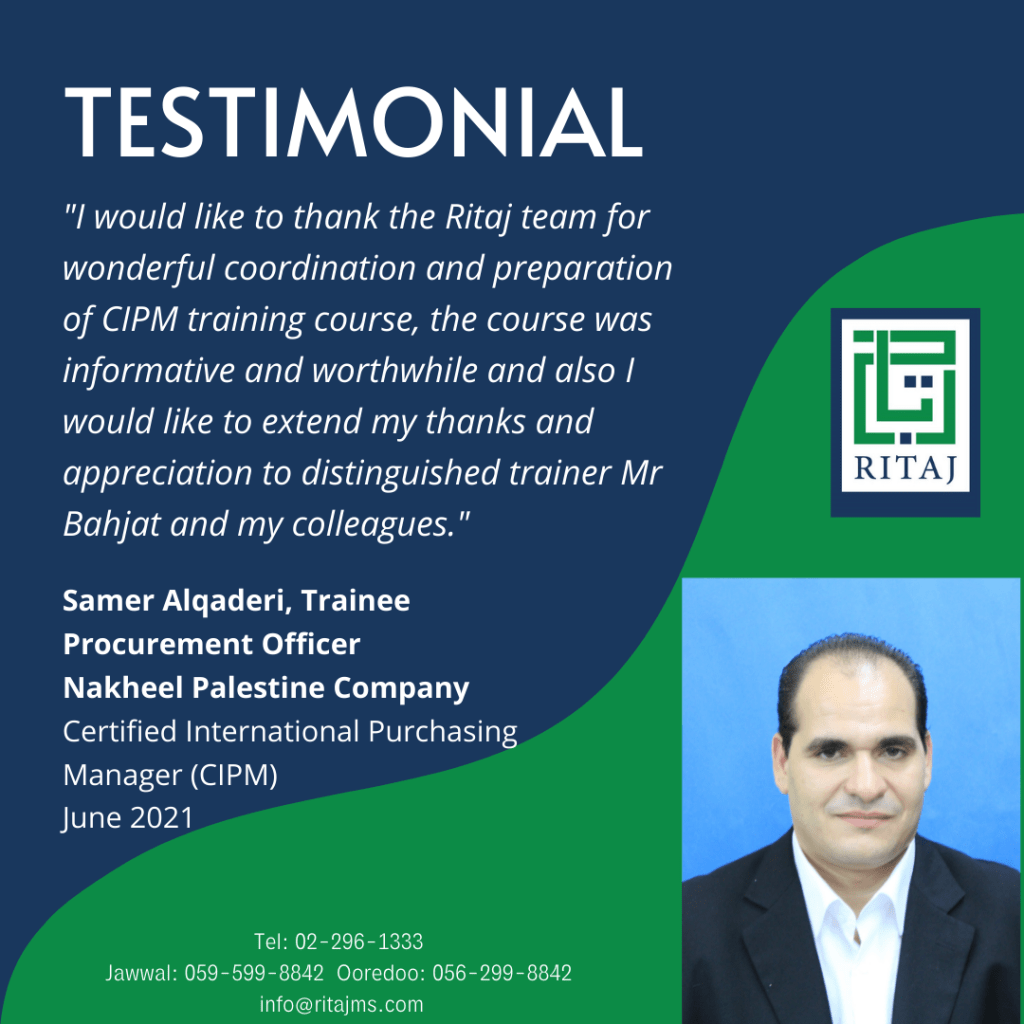
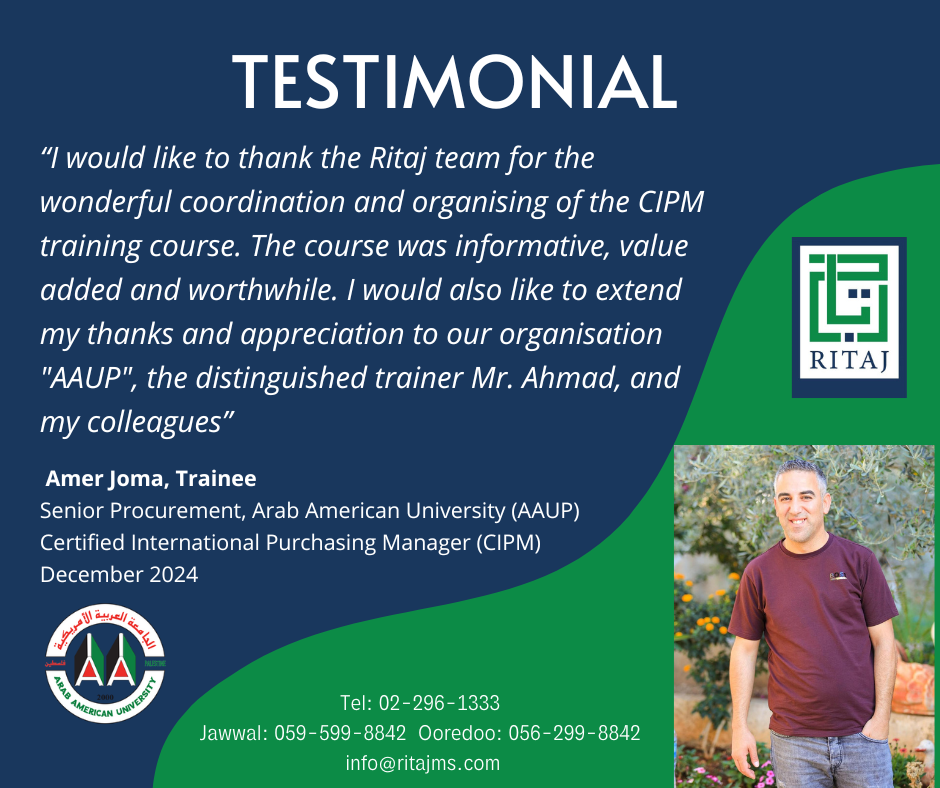
Certified International Purchasing Manager (CIPM)

Certified International Purchasing Manager – CIPM

Objectives:

CIPM aims to:

  • Identify purchasing and supply management
  • Actively engage participants to analyze the strategies of sourcing
  • Define the operations and structure of purchasing
  • Follow the non-lecture style demonstrating strategic sourcing processes
  • Explain the critical elements of the supply chain
  • Provide relevant material for each participant

Topics:

  • Introduction to Purchasing and Supply Chain Management.
  • The Purchasing Process
  • Purchasing Policy and Procedures.
  • Purchasing and Supplier Integration for Competitive
  • Advantage. Purchasing and Supply Chain Organization
  • Purchasing and Category/Commodity Strategy Development
  • Supplier Evaluation and Selection
  • Supplier Quality Management
  • Supplier Management and Development: Creating a World-Class Supply Base
  • Worldwide Sourcing
  • Strategic Cost Management
  • Purchasing and Supply Chain Analysis: Tools and Techniques
  • Effective Negotiations: Preparation and Execution
  • Contracting: Developing and Managing Effective
  • Purchasing Law and Ethics
  • Contract Administration: Getting the Goods and Services You Ordered, As You Ordered Them (And Supplier Development), Purchasing Services
  • Sourcing and Supply Performance Measurement and Evaluation
  • Purchasing and Supply Chain Changes and Trends

Prerequisites

None

To learn more fill the following form (English or Arabic) and a training consultant will call you:

← Back

Thank you for your response. ✨

Certified Internal Auditor (CIA) – Parts I, II & III

Certified Internal Auditor (CIA) – Parts I, II & III

Objectives:

Upon completion, the trainee will be better able to:
  • To prepare for the CIA in the most efficient way
  • To learn about the tips of passing the exam
  • To manage time in order to cove the material
  • To prepare practically for the exam

Topics:

125 questions | 2.5 Hours (150 minutes)

The revised CIA exam Part 1 is well aligned with The IIA’s International Professional Practices Framework (IPPF) and includes six domains covering the foundation of internal auditing; independence and objectivity; proficiency and due professional care; quality assurance and improvement programs; governance, risk management, and control; and fraud risk. Part One tests candidates’ knowledge, skills, and abilities related to the International Standards for the Professional Practice of Internal Auditing, particularly the Attribute Standards (series 1000, 1100, 1200, and 1300) as well as Performance Standard 2100.​

The CIA Exam Part I topics tested include:

  1. Foundations of Internal Auditing (15%)
  2. Independence and Objectivity (15%)
  3. Proficiency and Due Professional Care (18%)
  4. Quality Assurance and Improvement Program (7%)
  5. Governance, Risk Management, and Control (35%)
  6. Fraud Risks (10%)

100 questions | 2.0 Hours (120 minutes)

The CIA Exam Part II includes four domains focused on managing the internal audit activity, planning the engagement, performing the engagement, and communicating engagement results and monitoring progress. Part 2 tests candidates’ knowledge, skills, and abilities particularly related to Performance Standards (series 2000, 2200, 2300, 2400, 2500, and 2600) and current internal audit practices.​

Domains   

  1. Managing the Internal Audit Activity (20%)
  2. Planning the Engagement (20%)
  3. Performing the Engagement (40%)
  4. Communicating Engagement Results and Monitoring Progress (20%)

100 questions | 2.0 Hours (120 minutes)

The CIA Exam Part III includes four domains focused on business acumen, information security, information technology, and financial management. Part 3 is designed to test candidates’ knowledge, skills, and abilities particularly as they relate to these core business concepts. Domains           

  1. Business Acumen (35%)
  2. Information Security (25%)
  3. Information Technology (20%)
  4. Financial Management (20%)

Prerequisites

  1. Candidates must hold a bachelor’s degree or its equivalent from an accredited university or college.
  2. A CIA candidate must obtain a minimum of 24 months of internal auditing experience or its equivalent.
To learn more fill the following form (English or Arabic) and a training consultant will call you:

← Back

Thank you for your response. ✨

Results-Based Management (RBM)

Results-Based Management (RBM)

Objectives:

Upon completion, the trainee will be better able to:
  • Understand RBM in n a changing development context
  • Understand relevant methodologies and tools for results-based planning, monitoring and evaluation.
  • Learn how develop a results framework and design and use indicators

Topics:

  • RBM in changing contexts
  • The project/ program cycle
  • Development of project/ intervention objectives
  • Logical framework/ Theory of change (ToC)
  • Developing indicators
  • Work plans
  • Project monitoring approaches tools and methods
  • Planning for project monitoring
  • Data collection and analysis
  • Monitoring as a management tool
  • Project evaluation approaches, tools, and methods
  • Incorporating evaluation in project design
  • Developing evaluation plans
  • Results-based reporting (preparation – implementation)
  • Good practices in reporting
  • How to use the information for decision- making/ policy and advocacy activities/ exist, scaling up

Prerequisite(s)

Interested participants must complete a survey to identify their needs and expectations prior to the training. In addition, a pre and post surveys will be designed to assess the knowledge of participants before and after the training.

To learn more fill the following form (English or Arabic) and a training consultant will call you:

← Back

Thank you for your response. ✨

Certified International Professional Trainer (CIPT-TOT)

Certified International Professional Trainer (CIPT)

Objectives:

Upon completion, the trainee will be better able to:
  1. Understand the training cycle
  2. Understand the diverse learning styles
  3. Plan for a training course
  4. Utilize proper resources for training content
  5. Recognize the training styles to plan for diversified training sessions
  6. Design training activities as means to transfer knowledge

Topics:

  • The assumption underlying major learning theories
  • Some of the preferred ways people learn
  • How adults learn differently from children
  • What motivates people to learn
  • How to use theories and models in training and development
  • Maximize the learning outcome of participants at training courses
  • Discuss how adults learn and how to enrich their learning environment
  • The meaning of systems, performance, needs, assessment, and training
  • The relationships between performance and training needs assessment
  • Basic steps in conducting a needs assessment.
  • Identify techniques for gathering data
  • Describe methods for conducting observations
  • Demonstrate methods for conducting interviews
  • Choose appropriate methods for conducting surveys
  • Explain instrument development and validation
  • Describe techniques of test construction
  • Plan approaches to creating experimental research designs
  • Describe ways to use objectives to improve learning
  • Write measurable learning objectives
  • Classify learning objectives
  • Appreciate the importance of communicating expectations to students
  • Differences between program development and instructional design
  • Specific approaches and issues
  • Key steps in the instructional design process
  • Ways of accommodating adult learners
  • Theories and concepts of active learning
  • Describe two major motivational theories and the implications of these theories for training. 
  • Advantages and disadvantages of the most common training methods
  • Demonstrate several different training methods designed to familiarize attendees with the Decision-Making Process
  • Explain how adult learning principles can be drivers for mediated instruction
  • Discuss the role of books and journals and manuals in mediated instruction of all types
  • Develop strategies for delivering mediated instruction
  • Suggest ways that mediated instruction outcomes can be evaluated
  • Define Distance Learning
  • Describe a variety of technologies that can support synchronous distance learning
  • Depict situations where distance learning is the method of choice
  • Apply the Kirkpatrick Model to their training programs
  • Explain the four levels of evaluation
  • Describe the measurement tools & benefits of evaluation at each level of Kirkpatrick
  • Determine appropriate evaluation methods for their training programs
  • Using the Kirkpatrick model, determine how to measure learning including using tests, demonstrations, questions and answers, group work, reflection, etc.

Testimonial :

I participated In the CIPT training with Ritaj and I found the training to be comprehensive and detailed, It was directed at my level as an experienced trainer. The trainer, Nisreen, was excellent and could answer all questions asked and delivered the course in an interesting format. I do appreciate the amount of details covered and I feel more confident on how I can apply everything to real life situations and my job. The course coordination was very flexible and I felt like it was a partnership relation rather than a client – service provider relation. I am looking forward for more capacity building investment opportunities with RITAJ, either for myself or for my colleagues in Right To Play organization.
Samer Jouba - Training Officer
Right To Play​
To learn more fill the following form (English or Arabic) and a training consultant will call you:

← Back

Thank you for your response. ✨

Certified Marketing Professional – CMP

Certified Marketing Professional - CMP

Objectives:

Upon completion, the trainee will be better able to:
  1. Understanding the key components and aspects of a value-based marketing strategy
  2. Learning how to build successful brand equity, and how it is essential to create value for shareholders
  3. Conduct audits for marketing operations, and analysis to examine the micro and macro environments better
  4. Combine best practices, tools to implement an effective marketing and sales management system
  5. Develop new strategies to build and sustain a competitive market advantage.

Topics:

  • Introduction of the workshop program and the participants
  • The Essence of Marketing
  • Group Discussion: Shifts in Marketing
  • Marketing Planning Fundamentals
  • Strategic Planning Tools
  • Group Discussion: What Good is a Mission Statement?
  • Marketing Planning: Business Unit/Project-Level Perspective
  • Consumer Buyer Behavior
  • Organizational Buyer Behavior
  • Discussion: Who Should You Target with New Products?
  • Customer Service
  • High Tech Marketing
  • Market Research and Market Intelligence
  • Discussion: Is Mass Marketing Dead?
  • Product Strategy
  • Integrated Marketing Communication
  • Should National Brand Manufacturers also Supply Private Brands?
  • Retailing, Wholesaling, Logistics
  • Direct Marketing
  • Managing Complex Hybrid Channels
  • Customer Relationship Management
  • Discussion: Are Great Salespeople Born or Made?
  • Key Account Management
  • Discussion: Differences B2C/B2B Marketing
  • Segmentation, Targeting and Positioning
  • Discussion: Is Marketing an Art or Science?
  • Global Marketing
  • Implementing Market-Driven Strategy
  • Four Ps and 7 Ps
  • Discussion: Is Marketing an Art or Science?
  • Global Marketing
  • Implementing Market-Driven Strategy
  • Course Summary
  • Question and Answer Session
  • Final examination
To learn more fill the following form (English or Arabic) and a training consultant will call you:

← Back

Thank you for your response. ✨

Certified Human Resource Management Professional (CHRMP)

Certified Human Resource Management Professional (CHRMP)

شهادة إدارة الموارد البشرية الاحترافية

Objectives:

Upon completion, the trainee will be better able to:
  1. Define the characteristics of effective HR management
  2. Define the main uses and applications of competencies in Human Resources
  3. Understand the importance of a competency-based training & development approach
  4. Explain the role of HR in performance management
  5. Define recruitment and selection and its importance in reducing staff turnover
  6. Develop an action plan to transfer the new skills to the workplace.

Topics:

I. MANAGEMENT PRACTICES
  • HR Roles: Advisory/Counselor/Consultant/Service Control
  • Change Agent Role/Reengineering and Facilitating, both content & process
  • HR’s Role in Strategic Planning
  • HR Generalist and HR Specialist Roles
  • Effects of Different Organizational Contexts and Industries on HR functions
  • HR Policies and Procedures
  • Integration and Coordination of HR Functions
  • Outsourcing the HR Functions
  • Environmental Scanning
  • Internal Scanning
  • Human Resources Inventory
  • Human Resource Information Systems
  • Action Plans and Programs
  • Evaluation of Human Resource Planning
  • Organizational Structures
  • Organizational Development
  • Diagnosis and Intervention Strategies: Action Research, Sensing, Team Building, Goal Setting
  • Survey Feedback, Strategic Planning, Visioning, Sensitivity Training (T-groups)
  • Role of Organizational Culture in Organizational Development
  • Role of International Culture in Organizational Development
  • Organizational Development in Response to Technological Change
  • HR Budgeting Process
  • HR Control Process
  • Evaluating HR Effectiveness
  • Motivation Theories
  • Applying Motivation Theory in Management
  • Leadership Theories
  • Effect of Leadership in Organizations
  • Leadership Training
  • Performance Planning: Identifying Goals/Desired Behaviors
  • Setting and Communicating Performance Standards
  • Measuring Results and Providing Feedback
  • Implementing Performance Improvement Strategies
  • Evaluating Results
  • Work Teams
  • Job Design and Redesign
  • Employee Ownership/ESOPs
  • Employee Suggestion System
  • Participative Management
  • Alternative Work Schedules
  • Role of HR in Employee Involvement Programs
  • Research Design and Methodology
  • Quantitative Analysis
  • Qualitative Research
  • J. International HR Management
  • Cultural Differences
  • Legal Aspects of International HR
  • Expatriation and Repatriation
  • Issues of Multinational Corporations
  • Compensation and Benefits for Foreign Nationals and Expatriates
  • The Role of HR in International Business
  • Ethical Issues
  • Establishing Ethical Behavior in the Organization
II. GENERAL EMPLOYMENT PRACTICES
  • Definitions, Requirements, Proscribed Practices
  • Methods of Job Analysis
  • Types of Data Gathered in a Job Analysis
  • Uses of Job Analysis
  • Job Descriptions
  • Job/Position Specifications
  • Validity & Reliability of Job Analysis, Job Description, & Job Specification
  • Employment-At-Will Doctrine
  • Exceptions to Employment-At-Will
  • Common Law Tort Theories
  • Job-As-Property Doctrine
  • Non-Compete Agreements
  • Performance Measurement- The Criterion
  • Criterion Problems
  • Documenting Employee Performance
  • Category Rating Appraisal Methods
  • Comparative Appraisal Methods
  • Narrative Appraisal Methods
  • Special Appraisal Methods: MBO, BARS, BOS
  • Types of Appraisals
  • Rating Errors
  • Appraisal Interview

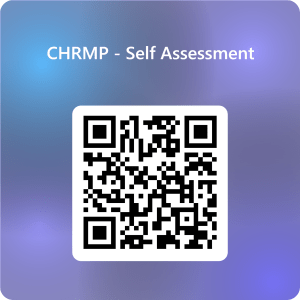
Test your level of knowledge with this self-assessment test.

Just click on or scan the QR code to the left or click here.

To learn more fill the following form (English or Arabic) and a training consultant will call you:

← Back

Thank you for your response. ✨

Professional Translation Certification – PTC

Professional Translation Certification (PTC)

Objectives:

Upon completion, the trainee will be better able to:

1. Identify research resources
2. Utilize technology tools to generate translated text
3. Translate more accurately and less literally
4. Critically proofread a translated text
5. Analytically defend one’s own translation
6. Translate from and into legalese

Topics:

  • Introduction of trainers and guest speakers
  • Methodology
  • Outline
  • House rules
  • Kick-off assignment
  • Research resources for translators
  • Online search techniques for translators
  • Hands-on dictionary use techniques for translators
  • Expert advice
  • Common paralinguistic mistakes
  • 10 MS suite tips for translators
  • Writing skills: simplicity, clarity and elegance
  • Common errors and pet peeves
  • Approaching a text
  • Translation techniques
  • Translation strategies
  • Target text proofreading
  • Pre-submission checklist
  • Terminology building techniques
  • Media translation
  • Political translation
  • Business translation
  • Literary translation
  • Introduction
  • Legalese
  • Legal Drafting
  • Legal jargon
  • How to become a MoJ certified translator
  • What to brand?
  • Where to brand?
  • How to locate and land jobs on local, regional and international markets
  • 3-hour final assessment test

Frequently Asked Questions (FAQ)

PTC is tailor-made to meet the needs of the labor market in the field of translation, it serves both experienced and inexperienced translators to elevate the translation skills. Accordingly, the prime focus of PTC is on professionalism. Safe to say that PTC is not a level-based but a competency-based training, it starts with boosting your research and analytical reading skills, utilizing your technological devices, building your terminology, and reaches to approaching translation as a process, the types of translation and the techniques of avoiding literal translation. PTC provides you with the appropriate reading plan that goes hand in hand with the topics discussed throughout the training course to foster your knowledge.

Bearing in mind that the translator usually gets in touch with a variety of documents, especially in case he/she works at the Palestinian labor market; the chances of getting a job opportunity as a specialized translator in one only field is little to none compared with the capacity of the market. Therefore, PTC gives the prime focus on the process, approaches, and stages of translation among a variety of topics. To list some: we focus on legal, commercial and social translation, so the first stage before getting to be specialized, and in introducing you to the steps upon which the translator gets to improve his/her skills in the desired topic.

Yes! The certificate is approved by the Ministry of Education and Higher Education. The goal of this training is to enable you to enter the labor market, and to that end, we at Ritaj offer our trainees two job opportunities if proved to have excellent performance throughout the training course.

Yes! PTC has a specified section that handles preparing and studying for the Palestinian Ministry of Justice Translation Certification Examination.

Yes, you are examined twice, once prior to the course, and once after.

No, you can only take the course by attending the sessions at Ritaj’s premises.

Yes, it is a requirement to have a BA degree in language, education, or in another related field.

Yes! The first job opportunity you will be met with is at Ritaj in the Department of Languages and Translation.

The trainers are professional and experienced translators and practitioners.

The minimum requirements needed to succeed in this training:

English proficiency
80%
Very good command of Arabic and English
85%
Strong professional development motivation
80%
Basic computer and MS skills
80%
Self-Commitment
90%
To learn more fill the following form (English or Arabic) and a training consultant will call you:

← Back

Thank you for your response. ✨