The Art of Storytelling (TAS)

The Art of Storytelling in Marketing (TAS)

فن السرّد القصصي في التسويق

Objectives:

Participants’ skills will be developed gradually, progressing from basic understanding to creative execution, to enhance their ability to produce impactful and professional storytelling content.

  1. Knowledge:
  • Introduce participants to the concept of storytelling and its key elements (character, plot, conflict, resolution).
  • Explore the impact of storytelling in digital media and marketing.
  1. Understanding:
  • Explain the relationship between storytelling and emotional audience engagement.
  • Analyze successful examples of storytelling used in marketing and awareness campaigns.
  1. Application:
  • Apply storytelling techniques to create visual and audio content suitable for various digital platforms.
  1. Analysis:
  • Compare different storytelling methods in terms of impact and audience engagement.
  • Identify strengths and weaknesses in storytelling strategies used in brand communication.
  1. Evaluation:
  • Assess the effectiveness of produced stories based on engagement, appeal, and clarity of message.
  • Recommend improvements to published stories to enhance their influence on the audience.
  1. Creativity:

Develop original storytelling content that reflects personal or organizational identity in a unique and engaging way.

Topics:

  • The concept of storytelling in digital media.
  • Key elements of a successful story.
  • Types of storytelling in digital media.
  • The psychological and emotional impact of storytelling.
  • Turning ideas into actionable scripts.
  • Principles of writing for audio and visual media.
  • Digital tools for producing visual and audio content.
  • Designing a script and creating a storyboard ready for production.
  • Analyzing real-life examples of successful content on digital platforms.
  • Producing a complete digital story and presenting it for feedback and evaluation.

Trainer

Najah Musallam

A media professional and trainer in digital content production and media communication, with over 16 years of experience in media and content creation. She is a university lecturer at the Faculty of Media at Al-Quds Open University and the Arab American University, where she teaches specialized courses in public speaking, effective communication, and digital storytelling.

Najah has delivered specialized training in digital storytelling, creative writing, and content marketing for entrepreneurs, influencers, and media and public relations staff in Palestinian ministries. She has contributed to developing digital identity strategies and producing visual and audio content, with practical experience in podcast production. She has also organized and moderated discussions on media and social issues, such as environmental coverage and digital media in awareness campaigns. Her coverage of the 2016 US elections provided her with deep insights into media trends and effective message crafting. Najah holds a Master’s degree in International Relations, specializing in Diplomacy, and a Bachelor’s degree in Media (Radio/Television).

Prerequisites

No advanced experience in media or content production is required. However, participants are expected to have a basic understanding of social media and access to a laptop or smartphone capable of running video and audio editing software.

To learn more, fill the following form (English or Arabic) and a training consultant will call you:

← Back

Thank you for your response. ✨

Monitoring, Evaluation, Accountability, and Learning in Practice (MEALP)

Monitoring, Evaluation, Accountability, and Learning in Practice (MEALP)

تطبيقات المتابعة والتقييم والمسائلة والتعلم

Objectives:

  1. Master MEAL Skills: Gain hands-on experience with advanced MEAL tools and techniques.
  2. Drive Project Impact: Learn to design and implement MEAL systems that enhance project accountability, learning, and impact.
  3. Meet Donor Expectations: Develop the skills to align MEAL systems with donor requirements, ensuring funding compliance.
  4. Earn a Local Certificate: Receive a certificate upon completion, recognizing your advanced MEAL expertise.
  5. Career Advancement: Equip yourself with the skills to lead MEAL processes, secure funding, and drive organizational success.
  6. Pathway to Certification: Get guidance on pursuing official PM4NGOs certification for global recognition.

Topics:

  • Refining Theories of Change (ToC) and Results Frameworks (RF).
  • Advanced Logframe development with complex indicators.
  • Activity: Participants refine a ToC and Logframe for a multisectoral project.
  • Aligning MEAL plans with donor requirements and organizational goals.
  • Activity: Create a comprehensive MEAL plan for a complex case study.
  • Designing mixed method data collection tools.
  • Using advanced digital tools for data collection and management.
  • Ensuring data quality and ethical considerations.
  • Activity: Conduct a mixed method data collection exercise using digital tools.
  • Advanced qualitative and quantitative data analysis techniques.
  • Using software tools (e.g., Excel, SPSS, NVivo) for data analysis.
  • Creating impactful data visualizations for reports and presentations.
  • Activity: Analyze complex datasets and present findings using visualization tools.
  • Conducting midterm reviews, impact assessments, and lessons-learned exercises.
  • Adaptive management: Using evaluation findings to refine projects.
  • Building a learning culture within organizations.
  • Activity: Draft an evaluation plan and adaptive management strategy for a project.
  • Establishing robust Feedback and Complaint Response Mechanisms (FCRMs).
  • Promoting inclusivity and accessibility in accountability systems.
  • Integrating community feedback into project adjustments.
  • Activity: Design an advanced FCRM and community engagement plan.
  • Integrating MEAL systems into organizational processes and decision-making.
  • Building internal and partner capacities for MEAL sustainability.
  • Aligning MEAL practices with strategic planning and long-term goals.
  • Activity: Develop a long-term MEAL sustainability plan for an organization.
  • Adapting MEAL approaches to different sectors (e.g., health, education, livelihoods).
  • MEAL in emergency and humanitarian contexts.
  • MEAL in advocacy and policy influencing.
  • Activity: Case study analysis of MEAL in different contexts.

Prerequisites

Successful Completion of Ritaj’s MEAL Training (MEAL)
or
Passing a Ritaj MEAL Assessment Test

To learn more, fill the following form (English or Arabic) and a training consultant will call you:

← Back

Thank you for your response. ✨

Monitoring, Evaluation, Accountability, and Learning (MEAL)

Monitoring, Evaluation, Accountability, and Learning (MEAL)

المتابعة والتقيم والمسائلة والتعلم

Objectives:

  1. Build a Strong Foundation: Gain a clear understanding of MEAL concepts and their importance in project cycles.
  2. Enhance Career Prospects: Open doors to new opportunities in the humanitarian and development sectors.
  3. Pathway to Advanced Training: Prepare for more advanced MEAL courses, such as MEAL in Practice.

Topics:

  • Definition and importance of MEAL in program cycles.
  • Key principles: Accountability, quality, and learning.
  • Overview of the MEAL cycle: Planning, implementation, and learning phases.
  • Q&A: Participants can ask questions about MEAL’s role in humanitarian and development work.
  • Introduction to Theories of Change (ToC) and Results Frameworks (RF).
  • Designing Logical Frameworks (Logframes) with SMART indicators.
  • Q&A: Participants can clarify concepts related to ToC and Logframes.
  • Core components of MEAL plans: Performance indicators, feedback mechanisms, and risk mitigation.
  • Budgeting and resource allocation for MEAL.
  • Understanding donor requirements.
  • Q&A: Participants can ask questions about aligning MEAL plans with donor expectations.
  • Designing effective data collection tools.
  • Participatory methods for engaging stakeholders.
  • Introduction to digital tools (e.g., MS Forms, google forms).
  • Q&A: Participants can discuss challenges and best practices in data collection.
  • Introduction to qualitative and quantitative data analysis.
  • Visualizing data for decision making and stakeholder engagement.
  • Turning data insights into actionable recommendations.
  • Q&A: Participants can ask questions about data analysis techniques and tools.
  • Introduction to Feedback and Complaint Response Mechanisms (FCRMs).
  • Promoting inclusivity and accessibility in accountability systems.
  • Q&A: Participants can discuss challenges in implementing accountability systems.

Prerequisites

N/A

To learn more, fill the following form (English or Arabic) and a training consultant will call you:

← Back

Thank you for your response. ✨

Project Proposal Writing (PPW)

Project Proposal Writing (PPW)

كتابة مقترحات المشاريع

Objectives:

Upon completing this course, trainees will have a foundational understanding of the topics below, as well as an ability to utilize and implement the concepts learned which include:

  • Participants will be able to identify and describe the key funding structures, processes, and priorities.
  • Participants will be able to explain the essential components of a successful project proposal, including problem statements, objectives, methodologies, and budgets.
  • Participants will apply learned concepts and skills to real-world scenarios through drafting sections of a project proposal in sectors of their organizational interests.
  • Participants will develop the ability to incorporate innovation and sustainability into their project proposals while effectively communicating their ideas.

Topics:

  • Horizon Europe, Erasmus+, and other relevant programs.
  • Differences between grants, tenders, and contracts.
  • Overview of project proposal components.
  • Alignment with donor priorities and policy objectives.
  • Innovative approaches and added value.
  • Sustainability and impact assessment.
  • Project Proposal Writing Process and Guidelines.
  • Project proposal objectives and expected outcomes.
  • Project proposal narratives and justifications.
  • Project activities and timeframe.
  • Project budget and financial plan.
  • Review and Submission Process.

Prerequisites

  • Project management skills and familiarity with project planning, implementation, and evaluation
  • Writing and communication skills, proficiency in English (as all proposals are submitted in English).
  • Budgeting and financial management, understanding of financial planning, cost estimation, and budget development.
  • Ability to work collaboratively in interdisciplinary teams.
To learn more, fill the following form (English or Arabic) and a training consultant will call you:

← Back

Thank you for your response. ✨

Costing and Pricing Analysis (CAPA)

Costing and Pricing Analysis (CAPA)

تحليل التكاليف والتسعير

Objectives:

مع نهاية التدريب، يتمكن المشاركون من

  • تحديد أنواع التكاليف وكيفية احتسابها
  • تحليل التكاليف بهدف احتساب الأرباح بدقة
  • تحديد آليات احتساب التكلفة
  • تحديد كافة العناصر المؤثرة بالتكاليف

Topics:

  • حساب التكاليف التحميلي
  • حساب التكاليف المتغيرة
  • طريقة قياس التكلفة
  • طريقة تجميع التكاليف
  • طريقة توزيع التكاليف الاضافية
  • المراحل الانتاجية
  • الاوامر الانتاجية
  • تكلفة التشغيل
  • توزيع الاعباء الاضافية
  • احتساب نعدل التحميل للأعباء الاضافية
  • تحديد تكلفة كل وحدة من الاعباء الاضافية
  • تحميل الاعباء الاضافية الثابتة
  • الزيادة النقص في تحميل التكاليف الادارية
  • التكاليف التقليدية مقابل محاسبة تكاليف الانشطة
  • احتساب هامش المساهمة
  • احتساب هامش الأمان
  • احتساب نقطة التعادل
  • المبيعات المستهدفة لتحقيق ربح معين

Prerequisites

N/A

To learn more fill the following form (English or Arabic) and a training consultant will call you:

← Back

Thank you for your response. ✨

Ritaj in Saudi Arabia

Ritaj training is now available to all professionals in Saudi Arabia!

American Certification Institute (ACI)

Ritaj is affiliated with this leading certification provider. Every successful trainee received a certificate from Ritaj Managerial Solutions. Every successful certificate-based training is on the road to taking the ACI test and be accredited from ACI directly.

From Nisreen Musleh Ritaj's Managing Director

We are excited to announce all of Ritaj's trainings are now available online to business and developmental professionals in Saudi Arabia.

To learn more, fill the following form (English or Arabic) and a training consultant will call you:

← Back

Thank you for your response. ✨

Arabic for Non-natives (A4NN)

Arabic for Non-natives (A4NN)

اللغة العربية لغير الناطقين بها

Objectives:

Customized Arabic language training for non-natives who are expats working in an Arab country or returning second generation locals who grow up with a mother tongue different from Arabic.

Topics:

  • Day-to-day situations at:

·         a taxi

·         a doctor’s office

·         the market

  • Money and banking:

·         Related terminology

·         at the bank

  • Making reservations:

·                     At a restaurant

·                     At a hotel

·                     Renting a car

  • The workplace:

·         business meetings and negotiations (previous preparation of cases taken form participants workplaces)

·         Role play (moderator, chairman, financial manager, receptionist, admin assistant etc.. )

  • Expressing opinions:

·         present terminology to express agreement or disagreement on a specific idea

·         Discussing vital issues occurring at that time whether locally or internationally (e.g. social, political, News headlines today in Palestine…), introduce the related terms and use them to discuss the issue, talk about the general situations in Ramallah.

  • Presentation:

·         participants prepare a  PowerPoint presentation and receive questions and /or discussions about their company, department, role at work, product or any other topic of their choice

·         Conversation questions:

·         Choose various topics that were covered to talk about thoroughly

·         Participants pick out a question and answer it (leading to a discussion among the group)

  • Meeting with a native speaker:

·         Prepare a meeting with a native speaker. Both sides are aware of the topics to be discussed in order to achieve the desired outcome.

·         Business communication:

·         Business terminology

·         Present business terminology based on trainees’ specialties and qualifications

·         Create actual work situations for discussion among the group. 

Prerequisites

N/A

To learn more, fill the following form (English or Arabic) and a training consultant will call you:

← Back

Thank you for your response. ✨

Introduction to Artificial Intelligence (IAI)

Introduction to Artificial Intelligence (IAI)

مقدمة في الذكاء الاصطناعي

Objectives:

  • Understand the Role of Copilot in Microsoft 365: Enable employees to comprehend how Copilot integrates with Microsoft 365 apps to assist in everyday tasks and improve productivity.
  • Leverage Copilot for Document Creation and Editing: Teach employees how to use Copilot in Word and Excel to automate document creation, formatting, and data analysis, enhancing their efficiency in producing professional reports and presentations.
  • Enhance Email Management Skills: Demonstrate how to use Copilot in Outlook to draft emails, manage schedules, and organize inboxes, reducing the time spent on email communication.
  • Improve Data Insights and Visualization: Show how Copilot can assist in Excel by generating data insights, creating charts, and making data-driven recommendations without the need for advanced technical skills.
  • Enhance Presentation Skills: Instruct on how Copilot in PowerPoint can help create engaging presentations by suggesting layouts, content, and design elements, making it easier to convey information effectively.
  • Improve Writing and Communication: Use Copilot to enhance writing skills in Word and Outlook, focusing on grammar, style, and clarity to produce more polished and professional communications.
  • Optimize Time Management and Scheduling: Teach employees how Copilot can assist with calendar management, finding optimal meeting times, and setting reminders to help improve time management.

Topics:

1.                  Artificial Intelligence (AI)

2.                  Microsoft Copilot for Microsoft 365

3.                  Copilot in Word

4.                  Copilot in Excel

5.                  Copilot in PowerPoint

6.                  Copilot in Outlook

7.                  Copilot in OneNote

8.                  Copilot in Microsoft Loop and Copilot in Whiteboard

9.                  AI Applications (Examples)

10.              ChatGPT

11.              Prompt Engineering

12.              Prompting Methods

Prerequisites

Basic computer skills

To learn more, fill the following form (English or Arabic) and a training consultant will call you:

← Back

Thank you for your response. ✨

Budgeting and Forecasting Skills (BFS)

Budgeting and Forecasting Skills (BFS)

مهارة إعداد الموازنات والتنبؤات المالية

Objectives:

The training aims to achieve the following objectives:

  • Develop the budget with a broad view of the corporate functions
  • Integrate the strategic guidelines into the discussions of budgeting process
  • Structure the budget planning and development in a logical sequence 
  • Coordinate the project of budget planning with the different areas of the company 
  • Actively promote assumptions discussions to improve the process of developing the budget 
  • Apply financial concepts to support the budget planning process 
  • Design a budget monitoring and control model to support the performance management

Topics:

  • Budget and business plan 
  • Budget and forecast 
  • Budget and the business strategy 
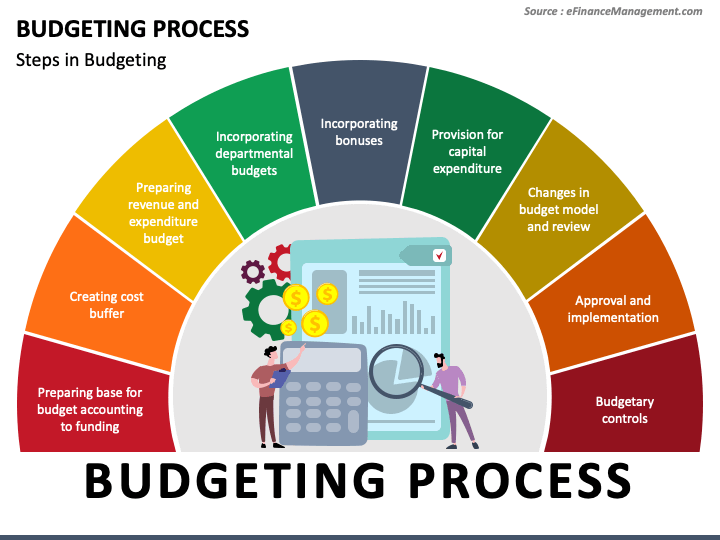
  • Budgeting process 
  • The planning cycles 
  • Potential problems 
  • Developing budgets 
  • From operational budgets to financial budgets 
  • Process/steps 
  • Types of budgets 
  • Fixed, Flexed, Rolling 
  • Methods of budgeting 
  • Incremental 
  • Zero based budgeting 
  • Approaches to budgeting 
  • Top down, bottom up 
  • Iterative 
  • Activity orientated 
  • Task orientated 
  • Planning programming budgeting system 
  • Behavioral aspects of budgeting 
  • Forecasting versus budgeting 
  • Process flow of an organization 
  • Gathering information 
  • Anticipating and budgeting for revenues 
  • Estimating expenditure 
  • Understanding costs 
  • Operational budgets 
  • Financial budgets 
  • Statement of financial performance 
  • Statement of financial position 
  • Statement of cash flows 

Prerequisites

N/A

To learn more, fill the following form (English or Arabic) and a training consultant will call you:

← Back

Thank you for your response. ✨

Business Correspondence and Report Writing (BCRW)

Business Correspondence and Report Writing (BCRW)

كتابة المراسلات وإعداد التقارير

Objectives:

This is a guided participatory approach that allows for gradual improvement in Language use. It also includes hands-on coaching as per the needs of the workplace.

By the end of this course, the participants will:

    • Enhance professional expression of ideas in writing
    • Produce business reports with a focus on:
      • Planning for a report
      • Report key sections
      • Flow of information in a report
      • Creating visuals
    • Develop language building techniques
    • Prepare professional presentations

Communicate in writing using the English language.

Topics:

  • Business correspondence
    • Review past emails written by participant
    • Discuss some key points
    • Receive and give feedback on grammar and phrasing of emails
    • Building terminology
  • Report writing 
    • Introduction to business reports
    • clarifying the purpose
    • the needs of your audience
    • structuring a report
    • planning a report
    • gathering and evaluating information
    • deciding on relevant information
    • main components
    • cover sheet
    • statement of purpose
    • table of contents
    • choosing the report structure
    • understanding the alternative structures
    • using a checklist to check the structure
    • writing the first draft
    • principle of clear writing
    • understanding the different types of writing commonly
    • Editing the report
    • Creating visual impact
  • Sample reports 
    • Progress report 
    • Annual report 

Prerequisites

Assessment test

To learn more, fill the following form (English or Arabic) and a training consultant will call you:

← Back

Thank you for your response. ✨